Rome is a city best explored on foot, but its public transport system is the backbone that connects its sprawling ancient neighborhoods. For a first-time visitor, the network of buses, trams, and metro lines can seem intimidating. However, once you understand the logic, it becomes a simple and cost-effective way to save your energy for the sites themselves.
The Rome Metro: Fast but Limited
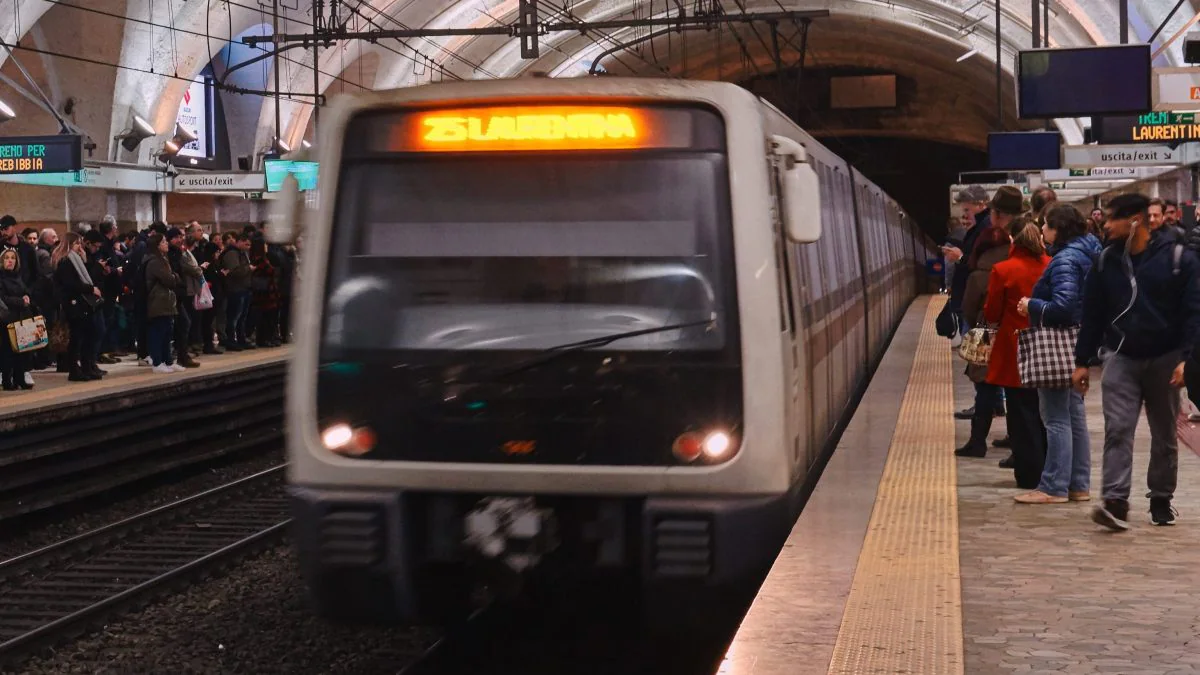
The Rome Metro (Metropolitana) is the quickest way to travel long distances, but it doesn’t reach the deepest parts of the historic center due to the thousands of archaeological ruins buried underground. It consists of three main lines:
- Line A (Orange): The most useful for tourists, connecting Vatican City, Spanish Steps, and Trevi Fountain.
- Line B (Blue): Connects Termini Station to the Colosseum and the Ostiense area.
- Line C (Green): Currently expanding, but currently less useful for major tourist attractions.
Buses and Trams: Seeing the City
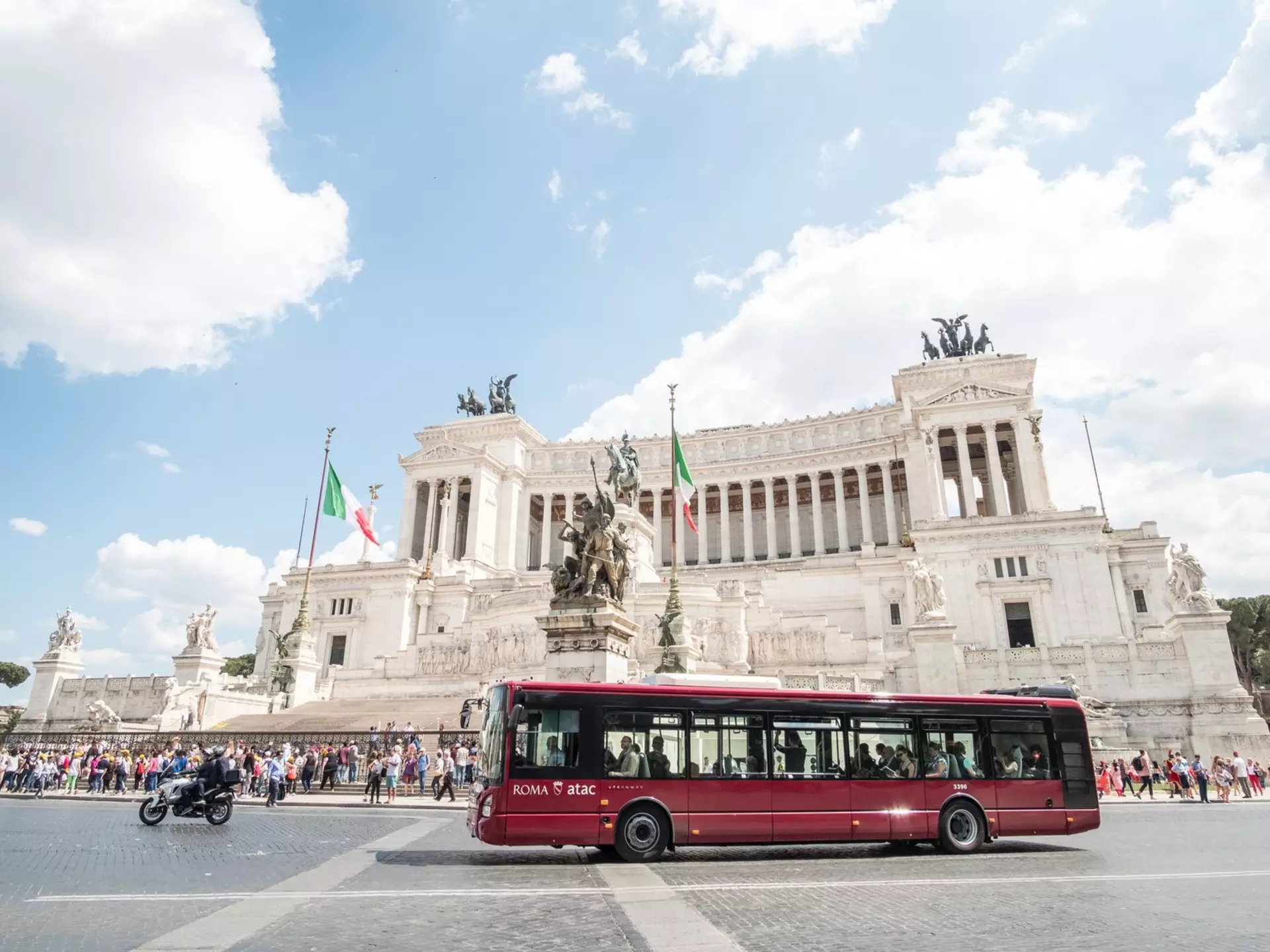
While the Metro is fast, buses and trams are the true workhorses of Rome. They reach the corners where the trains cannot go.
Pro tip: Always look for the bus number on Google Maps or the “Moovit” app, as they are generally accurate for real-time tracking.
Note: You cannot buy tickets on the bus. You must purchase them beforehand at tobacco shops (Tabacchi), newsstands, or from ticket machines at Metro stations.
Taxis, Uber, and Ride-Sharing
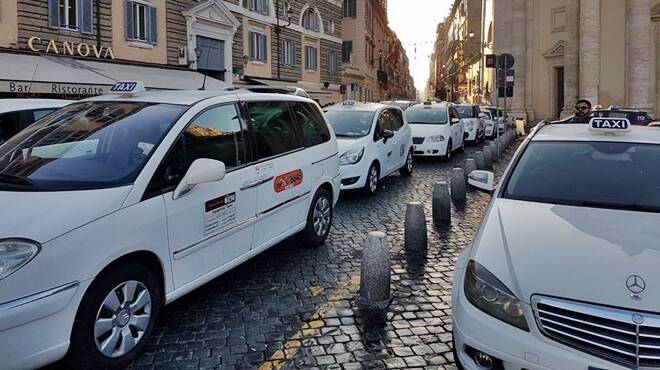
Sometimes, after a long day of sightseeing, you just want a direct ride to your hotel. Here is what you need to know about private transport in Rome:
- Official Taxis: You can spot official Roman taxis by their white color and the “taxi” sign on the roof. Always ensure the meter is running, or ask for a fixed rate before starting your journey. It is highly recommended to use designated taxi stands rather than trying to hail one on the street.
- Uber in Rome: Unlike in other cities, Uber is available in Rome but mostly as “Uber Black.” This means it is a premium, chauffeur-driven service. It is very reliable and comfortable, but expect to pay significantly more than you would for a standard taxi.
- FreeNow: This is the most popular app in Italy for booking official white taxis. It works similarly to Uber, but it dispatches a regular local taxi to your location. It is often cheaper than Uber Black and is the preferred choice for locals and savvy travelers.
A note on safety: Always avoid “gypsy cabs” (unmarked cars) that might approach you at airports or train stations offering a ride. Only use official taxi stands or trusted apps like FreeNow.
Ticket Essentials: The BIT and Beyond
The standard ticket in Rome is the BIT (Biglietto Integrato a Tempo). It costs €1.50 and is valid for 100 minutes on all forms of transport, including one Metro ride.
Crucial Rule: Always validate your ticket as soon as you board the bus or tram using the yellow or green machines. If you fail to validate, you risk a heavy fine, even if you have purchased a ticket.
Is the “Roma Pass” Worth It?
If you plan to use public transport frequently and want to visit multiple museums, the Roma Pass is often a great deal. It provides unlimited access to public transport plus free or discounted entry to your first one or two museums. For a 3-day itinerary, it usually pays for itself quickly.
Frequently Asked Questions (FAQ)
Are Rome buses safe at night?
Generally, yes. However, keep a close watch on your belongings, as crowded buses are prime targets for pickpockets. Avoid flashing expensive phones or wallets.
Can I use my credit card to pay for tickets?
Yes, many metro turnstiles and some buses are now equipped with “Tap & Go” contactless readers. It’s the most convenient way to travel without hunting for paper tickets.
How early do they start running?
The Metro typically runs from 5:30 AM until 11:30 PM (1:30 AM on Friday and Saturday nights). Buses run 24/7, with specific “N” lines serving the city at night.
Need to get to the city center from the airport first? Before you master the city buses, ensure you have a smooth arrival by checking our Guide on How to get from Fiumicino (FCO) to Rome City Center.
My Final Recommendation
For most travelers, the best strategy is a hybrid approach: use the Metro for long distances (like getting to the Vatican) and rely on your own feet or the occasional bus for the historic center. Don’t stress about the bus network; once you tap your card and experience the city rhythm, you’ll be navigating Rome like a local in no time.